Connect with us

TRENDING

The digital privacy habits more people are adopting

Avatar photo

Published

on

The digital privacy habits more people are adopting
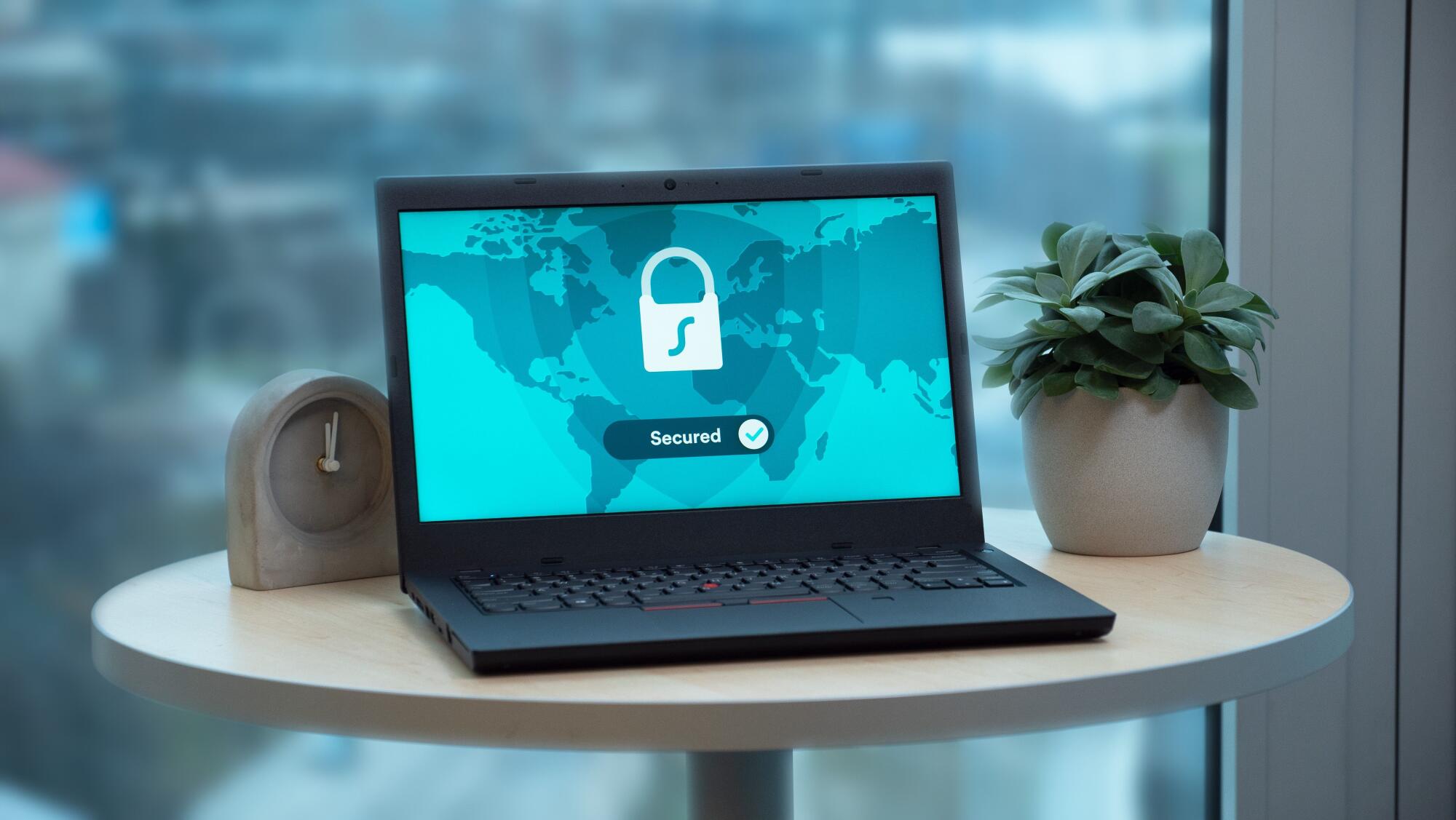
Data breaches and identity theft are threatening the online safety of millions of Americans. In response, more people are adopting digital privacy habits like stronger passwords, privacy audits, data broker removal, and tighter control over what they share online.

Personal data has never been more valuable, and most people have spent years giving it away without thinking twice.

92% of Americans say they’re concerned about their online privacy, according to a 2026 WhistleOut survey of 1,000 adults. The concern is real, and so is the exposure.

What’s changing is the response. More people are taking concrete steps to limit what they share, secure what they have, and remove what’s already out there.

Why Is Digital Privacy Important?

Personal data powers a surveillance economy most people never agreed to join. Every search, purchase, location check-in, and app interaction generates data that is collected, sold, and used in ways that range from targeted advertising to identity theft to employment screening.

The consequences of lost internet safety are not theoretical. Identity theft cost Americans more than $20 billion in online fraud losses in 2025, according to the FBI’s Internet Crime Complaint Center. A data breach at a company you’ve never heard of can expose your Social Security number, banking credentials, or medical history without any action on your part.

A digital life where every detail is available to anyone willing to pay for it has real costs that show up in financial losses, damaged reputations, and the erosion of control over your own story.

Does Reviewing Your Privacy Settings Actually Help?

Auditing privacy settings is one of the most effective data protection steps available, and most people have never done it. The defaults that came with accounts and devices were chosen by the platform, not the user, and they almost always favor data collection over privacy.

Turning off location sharing for apps that don’t need it, revoking microphone and camera access for apps that have no legitimate reason to hold it, and limiting ad tracking across platforms all reduce the data footprint without giving anything up. The review takes less than an hour.

Permissions granted years ago to apps that still have access to contacts, location, and storage tend to surprise people when they finally look.

Why Removing Personal Information From Data Broker Sites Matters

Most people have never heard of data brokers, but data brokers have heard of them. These companies collect personal information from social media, loyalty programs, public records, and dozens of other sources, then package and sell it to advertisers, insurers, employers, and anyone else willing to pay.

What data brokers typically hold on an individual:

  • Full name, current and past addresses
  • Phone numbers and email addresses
  • Age, date of birth, and household income estimates
  • Family members and known associates
  • Employment history and education records
  • Purchase behavior and browsing habits
  • Criminal, court, and property records

The information sits on sites that are publicly searchable, meaning anyone can find a detailed profile on you with a basic web search. A data broker removal service automates the opt-out process across hundreds of sites and monitors for new listings over time.

The Value of Using Stronger Digital Security

A single reused password across multiple accounts turns one breach into many. When credentials from one platform leak, automated tools test them across banking, email, and social media accounts within minutes.

Password managers solve the reuse problem by generating and storing unique, complex passwords for every account. The user remembers one strong master password, and the manager handles everything else.

An attacker with your credentials needs your phone or authentication app too, which is what multi-factor authentication delivers. One stolen password is no longer enough to get in.

The Case for Sharing Less Personal Information Online

Every detail you post publicly becomes a data point that can be aggregated, scraped, and sold.

A birthday here, a hometown there, a check-in at a regular spot —  individually they seem harmless, but together they form a profile detailed enough to fuel targeted scams, identity theft, or social engineering attacks.

It doesn’t necessarily mean that you should stay off social media. However, keeping social media profiles private, avoiding oversharing location and routine, and thinking twice before filling out optional fields on websites all reduce the surface area available to anyone collecting data without your knowledge.

Frequently Asked Questions

Does a VPN Actually Protect Your Privacy?

Privacy tools and apps like VPNs encrypt your internet traffic and mask your IP address, which limits what your internet service provider and networks can see. A VPN doesn’t protect against data brokers, app tracking, or phishing. Think of it as one layer in a broader privacy approach, not a complete solution.

What’s the Difference Between Privacy and Security?

Security protects your accounts and devices from unauthorized access. Privacy controls what information gets collected and shared in the first place. You can have strong security and still have very little privacy if the apps and platforms you use are harvesting your data legally.

Are Free Apps More Likely to Collect Your Data?

Generally, yes. When an app costs nothing, the business model often involves monetizing user data through advertising or third-party sales. Paid apps carry their own data practices, but free ones have a stronger financial incentive to collect and share as much as possible.

How Do You Know If Your Data Has Already Been Leaked?

Sites like Have I Been Pwned (haveibeenpwned.com) let you check whether your email address appears in known data breaches. If it does, change the password for that account immediately, and anywhere else you used the same credentials. Most major breaches eventually become public knowledge, but the lag between breach and disclosure can be months.

Digital Privacy Is a Habit, Not a One-Time Fix

Digital privacy doesn’t have a finish line. The data collection happening around you doesn’t stop, and neither should the habits that limit it. Stronger passwords, tighter sharing settings, and removing personal information from data broker sites are all steps that compound over time.

Found this content informative? Keep tabs on our website for more on digital privacy, culture, and the topics worth knowing about.

AllHipHop Staff

Source link

Click to comment

Leave a Reply

Your email address will not be published. Required fields are marked *

TRENDING